From Idea to Impact
An idea is worth exactly nothing until it survives contact with reality. This piece is about that survival process how prototyping, design systems, and product branding take something fragile and turn it into something people actually use, trust, and remember. It's the unglamorous middle part between imagination and impact, and honestly, it's where the real work happens.
CATEGORIES
Prototyping & Interactions
Design Systems
Content & Marketing Assets
Product Branding
Taming the Mess
Early-stage ideas are exciting precisely because they're messy full of possibility, short on structure. The trick isn't killing that energy, it's giving it somewhere to go. Three tools do that work for me every time:
Prototyping turns "what if" into something you can actually test, fast, before you've fallen in love with the wrong version. Design systems give scattered decisions a backbone, so the tenth screen feels as intentional as the first. Product thinking keeps asking the uncomfortable question does this still feel true to what we set out to build?
Put those three together, and chaos starts looking like a plan.
Making the Invisible Visible
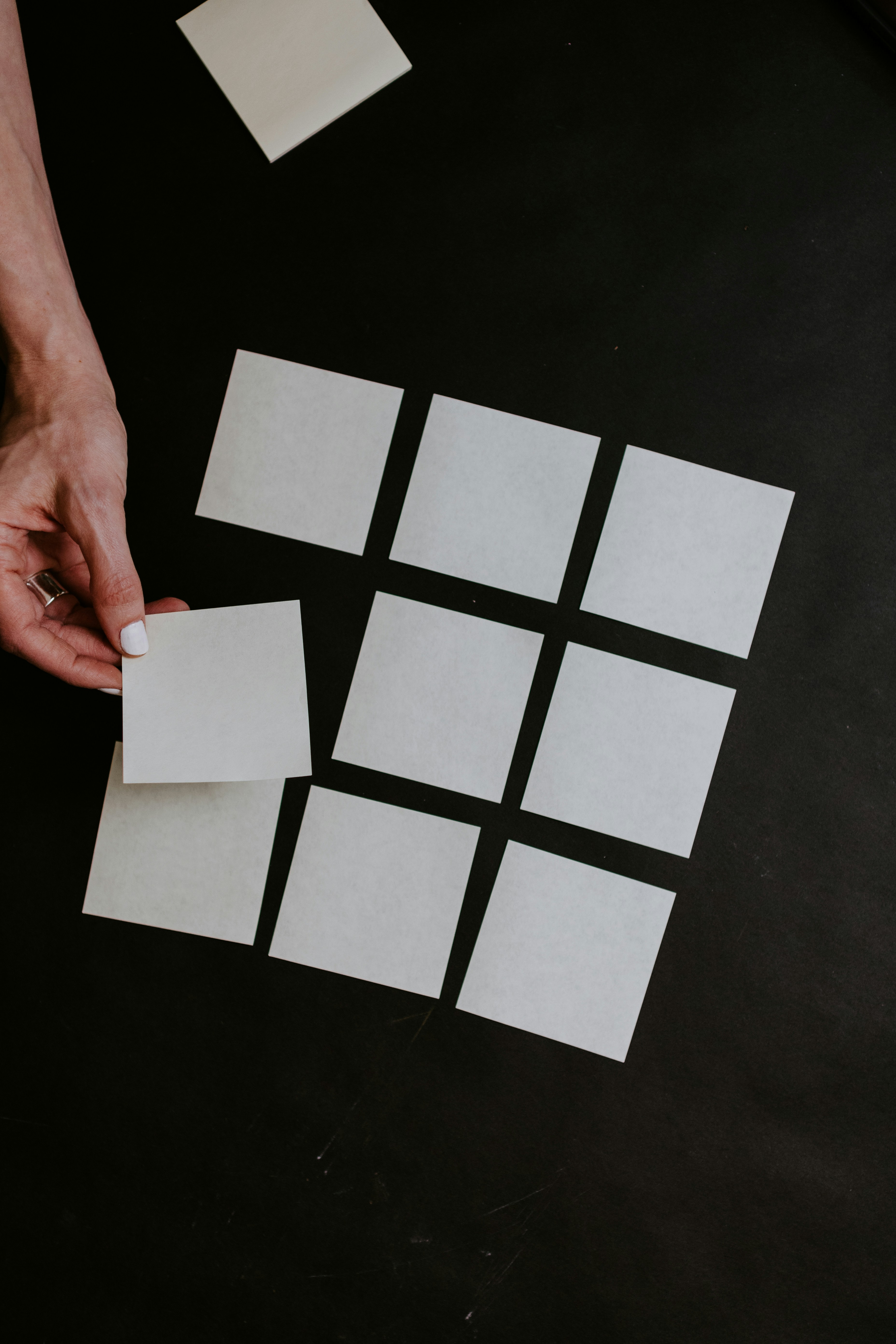
Ideas don't get stronger by staying in someone's head they get stronger by being seen. Wireframes, moodboards, rough prototypes: none of it is precious, all of it is necessary. It's how a team sees the same direction before a single line of code gets written, and it's cheaper to be wrong on paper than in production.
This isn't about moving fast for its own sake. It's about catching the expensive mistakes early, getting everyone pointed the same way, and making sure what eventually ships actually solves the problem it set out to solve.
Two Ideas That Made It
AltSchool Africa started with a problem everyone could feel but no one had untangled: students, instructors, and administrators all fighting the same clunky processes. Prototyping the core workflows first before touching visual polish let us find what actually worked, then build a design system sturdy enough to scale it. What shipped wasn't just simpler. It held depth without feeling heavy, which is harder to pull off than it sounds.
Signbridge needed a different kind of push. The product itself was solid; what it needed was a launch that felt like an event, not an announcement. Bold creative direction did that turned a release into a moment people actually talked about.
Where the Impact Actually Lands
Good execution doesn't just look better it changes outcomes, on three fronts. Users get something easier, sometimes even enjoyable, to deal with. Businesses get growth, efficiency, recognition the stuff that shows up in numbers. Teams get a framework that lets them move with confidence instead of second-guessing every call.
None of this happens in a straight line. It's iteration, mostly each version a little closer to mattering than the last.
The Takeaway
Ideas are cheap. Impact is earned. Design is the work that closes that gap turning a rough sketch into a system, and a system into something that actually lives in someone's day. That's the job, really: making sure the idea doesn't just survive the page, but makes it out into the world intact.
Other Useful Insights


There’s more to discover →